Our Difference
Site Selection & Land Use
We build where there is plenty of clean, affordable power and room to keep buildings far from homes. Finding and securing appropriate places for data center development is a big part of what we do.
How we choose sites
These are the five siting rules we do not break:
01
Respect the proposed neighborhood.
02
Select an entry and exit that does not disturb the neighborhood.
03
Select master-planned sites with natural barriers.
04
Grant conservation easements and build out of sight.
05
Build so you can’t see it and can’t hear it. You just benefit from it.

Our primary considerations
Power Availability
Reliable electricity is one of the biggest factors in deciding where a data center can be built. Choosing the right site means understanding how much power is available, how the facility will connect to the electric grid, and how it will fit into the surrounding area. In many coastal markets, the grid has little room for new demand. As a result, new projects are moving to regions with more dependable, affordable, and cleaner energy. Lighthouse is designed to support this shift.
Interconnection Bottleneck
One of the biggest challenges facing the industry is the long wait to connect new sites to the electric grid. The shift to cleaner, zero-emissions power can make this process even more complicated. Our team’s experience operating the grid and planning energy resources helps clients work through these challenges.
Putting the Community First
Where a site is built and how it affects nearby residents is our job #1. We focus on industrial, master-planned, and other locations that communities have already identified for this type of land use. These areas support local jobs and economic growth while keeping large projects with heavy traffic away from neighborhoods. We also listen to residents and use their input to guide site design, with the goal of creating lasting benefits for the community and the environment.
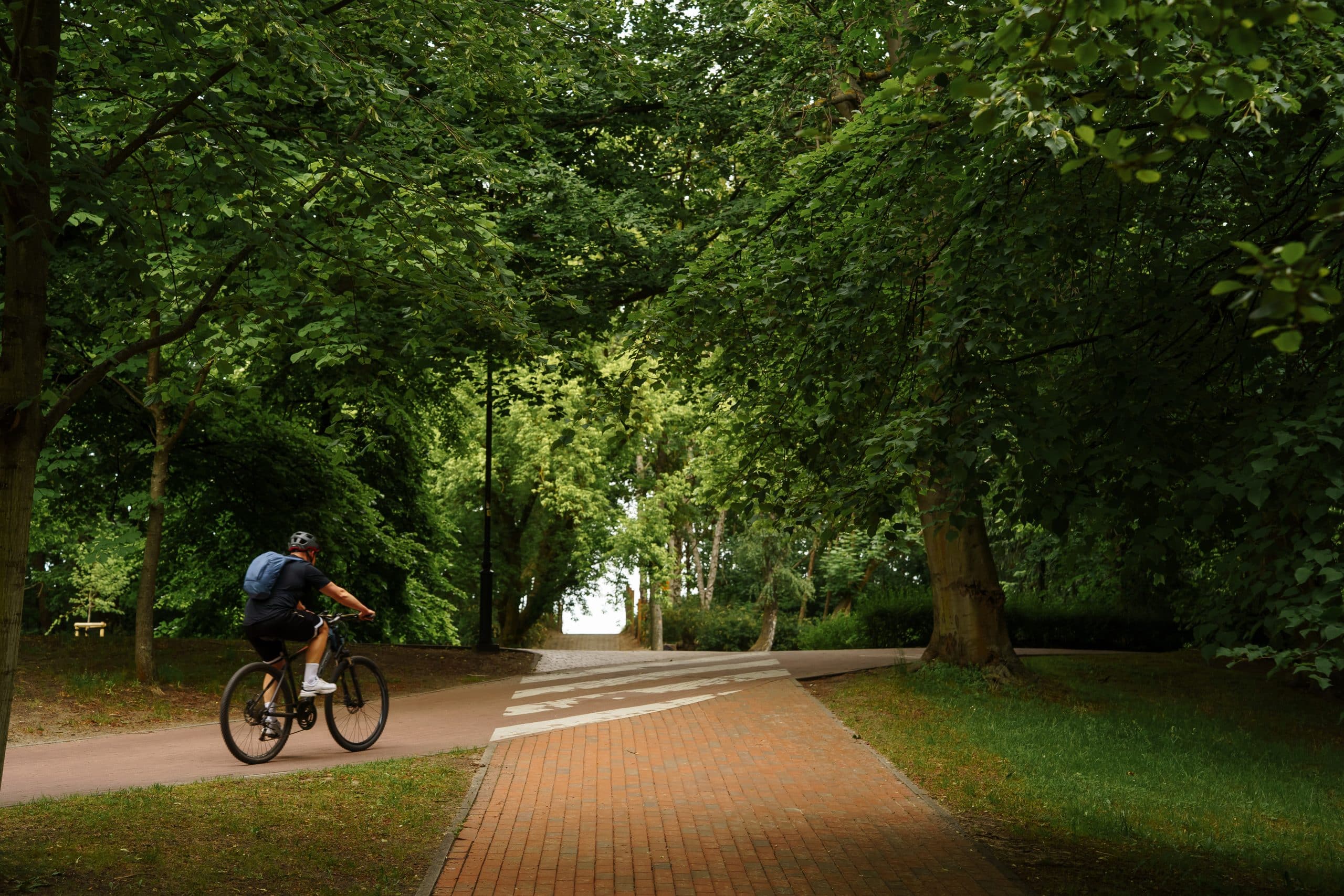
Protecting community green space
Each site is planned to fit into its surroundings and limit disruption to nearby neighborhoods. Natural buffers help screen the site, and entrances are placed to keep project traffic off residential streets whenever possible. Conservation easements can permanently protect parts of the property from future development and keep them dedicated to open space, habitat, or other agreed community uses. We also preserve and restore wetlands, plant small areas of dense native trees, and expand green buffers. Together, these steps can create healthier habitat, improve stormwater management, and return more usable green space to the community. Each project publishes a site plan so residents can see where protected land, restored natural areas, entrances, and buffers are located. Simply, our goal is:
You don't see it. You don't hear it. You just benefit from it.